Every fall we get the same phone call at our Addison and Lombard shops. Someone went out to start the car on a cold morning and something is off. There is a check engine light that was not there yesterday, or a smell coming through the heater vents, or a little pile of shredded fluff on the driveway under the front bumper. They usually apologize before asking the question itself: could an animal be living in there?
Yes. Mice in an engine bay are one of the most common seasonal problems we see, and it says nothing about how clean your car is or what your street looks like. Once the overnight lows drop, a parked vehicle is simply the best real estate on the block if you happen to be a mouse. Here is why it happens across DuPage County every fall, what you can look for yourself before you call anyone, and what we actually check and repair when rodents have been under the hood.
Why an Engine Bay Beats a Woodpile Once DuPage Nights Freeze
An engine bay holds heat for hours after you shut the car off. It is enclosed and dry, it blocks the wind, and it hides a small animal from anything that might eat it. AAA sums it up about as well as anyone: a parked vehicle checks every box for a rodent, because it is quiet, sheltered and warm.
The timing is not random either. Around here you can almost put it on a calendar. The normal first autumn freeze at Chicago O’Hare is October 19, based on the 1991 to 2020 normals from the National Weather Service. October averages 3.5 days at or below 32 degrees. November averages 14. That jump from three cold nights to two solid weeks of them is the window when mice stop tolerating the outdoors and start looking for a way in, and the cars parked in Addison, Lombard, Villa Park, Elmhurst and Glendale Heights driveways are the warmest thing at ground level.
It also does not take much of an opening. A house mouse can get through a gap roughly the size of a dime. The skull is the limiting part, so if the head fits, the rest of the animal follows. There is no sealing an engine bay against that, so the realistic goal is making your car a less appealing choice than the next one.
The Soy Wiring Story, and What Is Actually True
If you have searched this before, you have hit the claim that modern cars use soy-based wire insulation and that rodents find it delicious. Here is what has actually been established and what has not.
The lawsuits were real. A 2016 class action over rodent-chewed wiring covered Toyota vehicles from the 2012 through 2016 model years, and the attorney behind it argued that adding soy to the insulation had taken the problem of rodents chewing wires through the roof. Toyota’s answer was that rodent damage to vehicle wiring happens across the industry, that it is not brand or model specific, and that the company was not aware of any scientific evidence showing rodents are drawn to automotive wiring because of any alleged soy content.
The courts sided with that view. A judge dismissed the Honda version of the case after finding the plaintiffs never identified which specific components were supposed to be defective and offered no factual support for the claim that soy or bio-based content attracts rodents.
After decades of pulling nests out of engine bays, our read is that the recipe is not the point. Rodents gnaw constantly, wiring harnesses are soft and accessible and run right through the warmest, most protected part of the car, and rodent damage to car wiring was happening long before anything bio-based went into the insulation. Do not lose sleep over the badge on your hood. The question that matters is whether your car sits for days at a time somewhere mice already like.
Where Mice in an Engine Bay Actually Build Their Nests
Nests turn up in a few predictable places, and knowing them makes a driveway inspection much faster:
- On top of the engine cover or plastic shrouding. Flat, warm and out of the weather. This is where food caches usually show up.
- The battery tray and the corners of the engine bay. Sheltered pockets where droppings and nesting material collect.
- Inside the air intake ducting. A favorite, and a spot most owners never open.
- The cowl area under the windshield. The vent that feeds your heater pulls air from here, and it is an easy walk from the wiper arms.
- The cabin air filter housing. A cabin air filter nest is one of the most common findings we have, because the filter itself is soft pleated material sitting in a dark box with air moving through it.
That last one explains a symptom drivers rarely connect to animals. If something is nesting on or above the cabin filter, everything your blower pushes at your face has passed over it. A Lombard customer last winter described it as a musty basement smell every time the heat came on, and when we dropped the glovebox there were seeds packed across the top of the filter.
Signs You Can Spot Yourself in Your Own Driveway
You do not need tools for most of this. Give yourself five minutes in daylight.
- Debris on the ground. Shredded insulation, chewed leaves, paper or fabric fluff on the concrete under the front of the car.
- Food where food does not belong. Sunflower seed shells, acorns or dry pet food piled on the engine cover. We see this most on cars parked near bird feeders.
- Droppings. Small dark pellets on the battery tray, on top of the engine, or in the cowl at the base of the windshield.
- Chew marks. Nicked or stripped wire insulation, gnawed edges on plastic covers, scraped-looking hose surfaces.
- A musty or sour smell through the vents, especially the first minute after you turn the heat on.
- Dashboard warning lights that appear out of nowhere, or a car that suddenly runs rough after sitting through a cold snap.
- A blower motor that howls, rattles or ticks, which often means nesting material got past the filter and into the ductwork.
AAA lists the same tells: chewed wiring, damaged brake lines and hoses, shredded insulation, droppings, odd vent smells and unexpected dashboard warnings. Find two or three together and it is worth having someone look before you drive on it.
AAA also notes that vehicles left idle are at the highest risk: the second car, the weekend car, the RV, the truck that only comes out on moving day. A car in an Addison or Wood Dale driveway that goes out twice a month beside a woodpile is a very different risk than one running the I-290 commute five days a week.
What Rodent Damage to Car Wiring Actually Does
Wiring damage rarely announces itself cleanly. A partially chewed wire can keep working for weeks and then fail on a cold morning when the harness contracts, which is why these faults so often show up as intermittent problems that come and go with the weather.
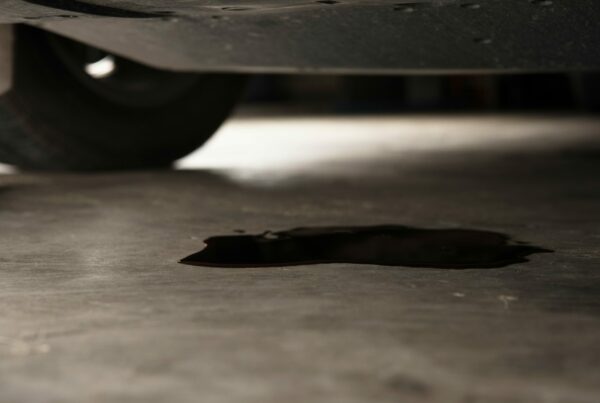
Depending on which circuit got hit, you might see a check engine light, an ABS or traction control light, a sensor reading that makes no sense, an accessory that quit working, or a no-start. Sometimes the damage is not electrical at all. A gnawed vacuum line or coolant hose leaks, and now you are chasing a fluid problem with an animal at the root of it. If you have ever tracked down a mystery drip, our guide on how to find oil leaks in a car covers the same detective work from the other direction.
The reason a chewed wire is worth taking seriously rather than watching is simple: bare copper in a wet, salty Illinois winter corrodes, and a fault that was one damaged strand in December can be a much larger harness repair by March.
What Our Addison and Lombard Techs Inspect and Repair
When a car comes into our Addison or Lombard shop with suspected rodent damage, the work is methodical rather than dramatic. It is standard diagnostic and repair work for our techs, just with an unusual cause.
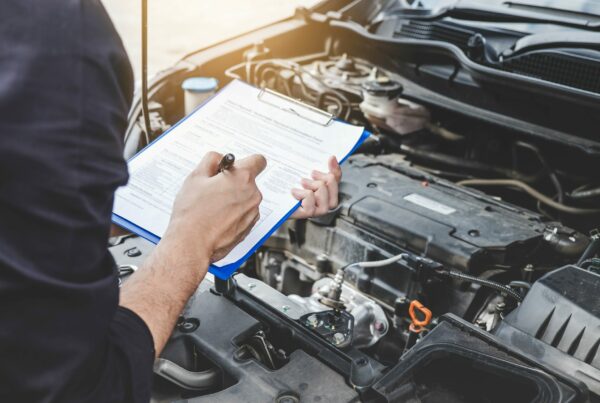
We start with a lighted visual inspection of the engine bay, going over harnesses, connectors, hoses and the underside of the hood insulation, and pulling back harness wrap where the damage points. Then we scan for stored and pending fault codes. Codes on their own do not find a chewed wire, but they tell us which circuit to trace, and tracing that circuit back through the harness is what actually locates the break.
The repair itself depends on what we find. Isolated damage to one or two wires is repaired with a proper splice and a sealed, insulated joint, not a wrap of electrical tape that will let moisture in by spring. When a section of harness has been chewed through in multiple places, or when the damage is inside a connector, replacing that harness section is the honest fix even though it is more work.
On the interior side, we remove and replace a contaminated cabin air filter, clean out the housing and cowl, and disinfect ducting where nesting material or urine has gotten in. If the blower motor has debris in it, that comes apart too. Our diagnostic and repair techs can also wrap vulnerable harness runs in a rodent deterrent tape for cars that keep getting hit. Honda, for example, sells a genuine rodent tape as a regular part, part number 4019-2317, a 19 millimeter wide, 20 meter roll that goes over existing wiring to discourage chewing.
Every one of these repairs is priced from what the inspection finds, because one chewed sensor wire and a shredded harness behind the intake are completely different jobs. Rather than publish a figure that would be wrong for your car, we would rather look at it and give you a current quote before any work starts.
Cleaning Up a Nest Safely
Almost everyone skips this part. The CDC advises that if you have mice or rats in or around your home or vehicle, all urine, droppings, dead rodents and nesting material should be cleaned up safely, because when fresh material is stirred up it can get into the air.
So this is not a bare-handed, shop-vacuum-on-a-Saturday-morning job. If a nest inside the vents or ductwork is what you are dealing with, let a shop handle the removal and disinfection with the right protection. It is one of the more common reasons people start searching for an auto repair shop near them in early winter.
Keeping Them Out This Winter
A car that sits is exposed to more than one kind of trouble around here, which is also why we wrote about catalytic converter theft in Addison. There is no way to make a car rodent-proof, but a few habits, most of them the same preventive maintenance basics that keep a car healthy generally, move you down the list:
- Drive it. AAA recommends starting and driving an idle vehicle weekly. Movement, heat cycling and noise disturb a nest before it becomes established.
- Take the food away. No wrappers or crumbs in the cabin, and store pet food and birdseed in sealed containers, not in an open bag in the garage.
- Think about where you park. Away from woodpiles, tall grass, dumpsters and bird feeders.
- Pop the hood now and then. A ten second look around the battery and engine cover through the fall catches a nest while it is still just a nest.
- Ask about protection for repeat targets. Deterrent wraps and intake screening are worth discussing if your car has already been hit once.
On the insurance side, GEICO says rodent damage typically falls under comprehensive coverage as non-collision damage, including chewed wires and cables, damaged insulation or upholstery, nesting in engine compartments and leaks from chewed hoses. Liability-only policies do not cover it, and neither does wear and tear. Check your own policy before assuming either way.
Where to Get It Looked At in Addison and Lombard
If you have found fluff on the driveway, seeds on the engine, or a smell you cannot place coming through the heater, bring it in. Drivers across DuPage County, from Bloomingdale and Carol Stream to Glen Ellyn, come to us for auto repair in Addison, IL and at our Lombard shop. Our ASE-certified technicians have been at this for more than 35 years, and a rodent inspection is a fast, straightforward job for us, well before it turns into a harness repair.
Schedule an appointment at either location, or request a current quote and we will tell you exactly what we find and what it will take to put it right. No guesswork, and no number until we have actually looked at your car.